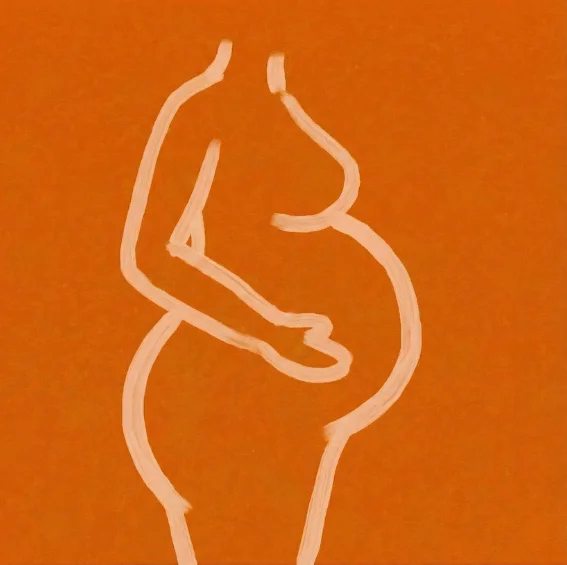
Understanding Matrescence: The Emotional Journey of Labour
This article is part of our Matrescence Series, where we explore the emotional and psychological changes that women experience during their journey to motherhood. The series includes the following six topics:
- Trying to conceive (TTC)
- Pregnancy
- Labour
- Breastfeeding
- Parenting
- Impacts on relationships
This article is about Labour.
Labour: The Emotional and Physical Marathon No One Fully Prepares You For
Do you feel like your birth story remains unheard or unresolved?
Many new mums shared a similar sentiment, "I didn't feel like myself at all. Everyone was looking at monitors and charts, and I was just a vessel on the bed. A pile of flesh on the bed."
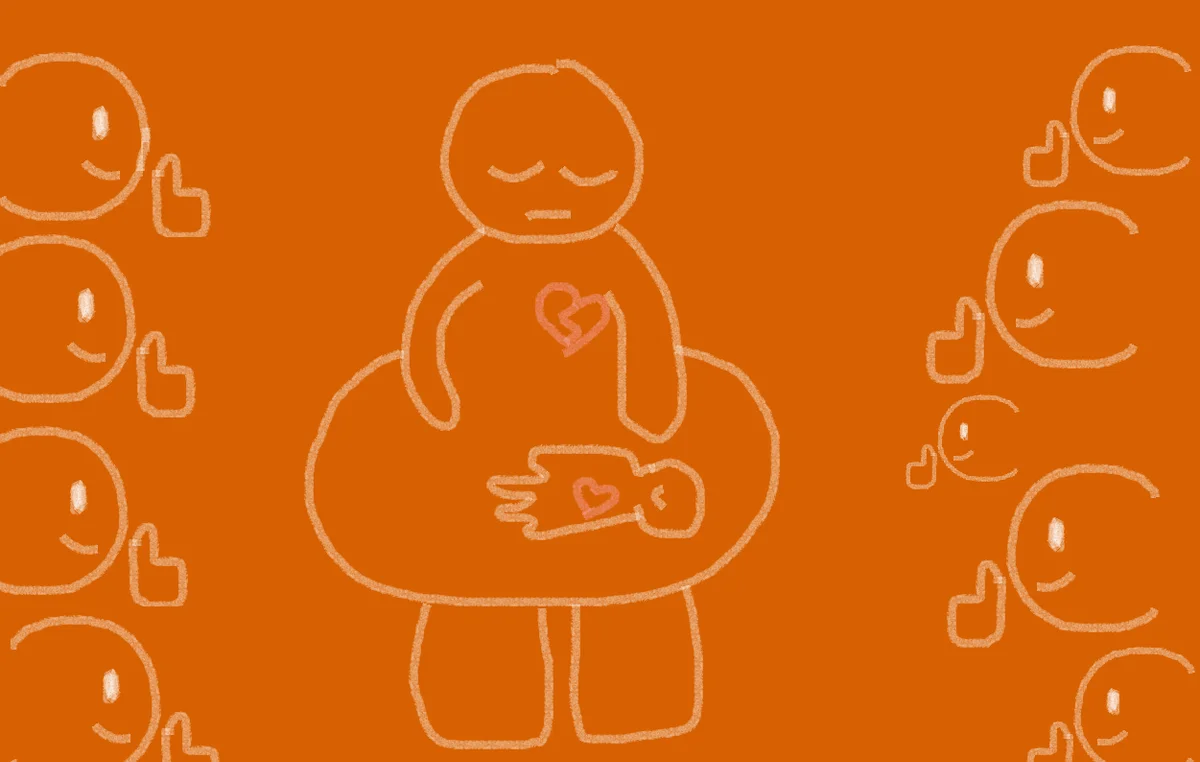
One described the lingering feeling of helplessness, despite having a "healthy baby", because her voice was lost in the chaos of the delivery room. Even months later, hearing friends talk about their positive births brought her down the memory lane with sadness and despondency.
Every birth is unique, but the pressure to have a "magical" or "natural" experience can undermine the risks labour entails. From sorting out a birth plan with conflicting information to getting another human being out from a woman's body, it is an arduous, excruciating and horrifying journey.
For many women in the UK, birth is far from a joyful meeting but an ultra complex marathon. Both physically and psychologically. If you are struggling to plan or process your birth experience, we are here to help.
The Physical Reality: It Is a Major Medical Event—and It Is SCARY
The most primal fear often sits unspoken is How Will I Get This Baby Out?
From the moment a woman understands that another human being must pass through or be removed from her body, the reality of labour can be utterly terrifying. Despite medical advancements, giving birth remains traumatic and deeply invasive. Some face perineal tearing, episiotomies, or the exhaustion of long, induced labours. Whichever labour method is chosen, the process is nonetheless physically demanding and damaging.
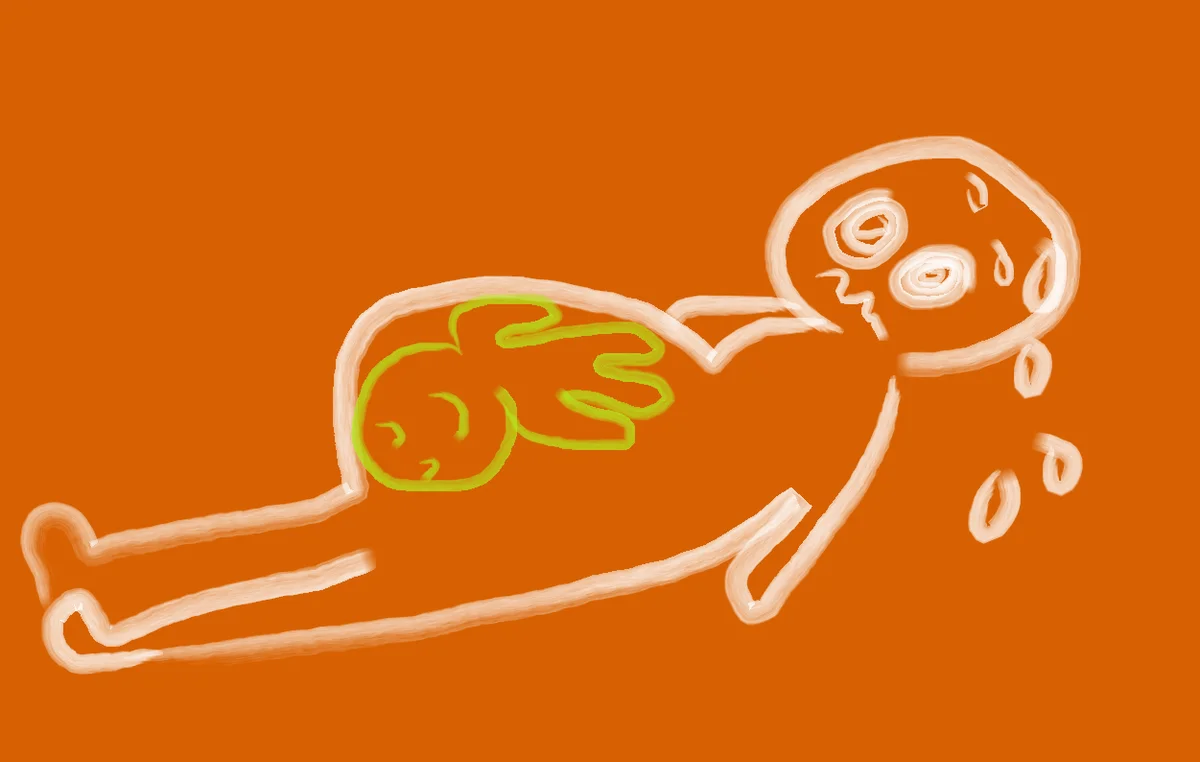
Society often glosses over this primal fear and the sheer physical toll of labour, portraying it as a fleeting moment of pain followed by instant bliss. The reality is often far grittier and your worries may come sooner than you realise. It is very common for pregnant women to be worried if the baby is coming out in the next second, regardless of which trimester you are in. There are people who understand your fear and figure out a way to manage it — you can learn more about it here.
The Paralysis of Choice: Navigating Conflicting Advice
Adding to the fear of the physical act is the overwhelming pressure to make major decisions amidst a myriad of conflicting information. You are expected to choose:
- Birth Location: Home, midwife-led birth centre, or hospital labour ward/delivery suite?
- Pain Management: TENS machine (i.e. transcutaneous electrical nerve stimulation machine), gas & air (Entonox), self-help movement, pethidine injection, or epidurals etc.?
- Delivery Style: Vaginal with or without intervention, or planned Caesarean section?
You can find more information on the NHS website.
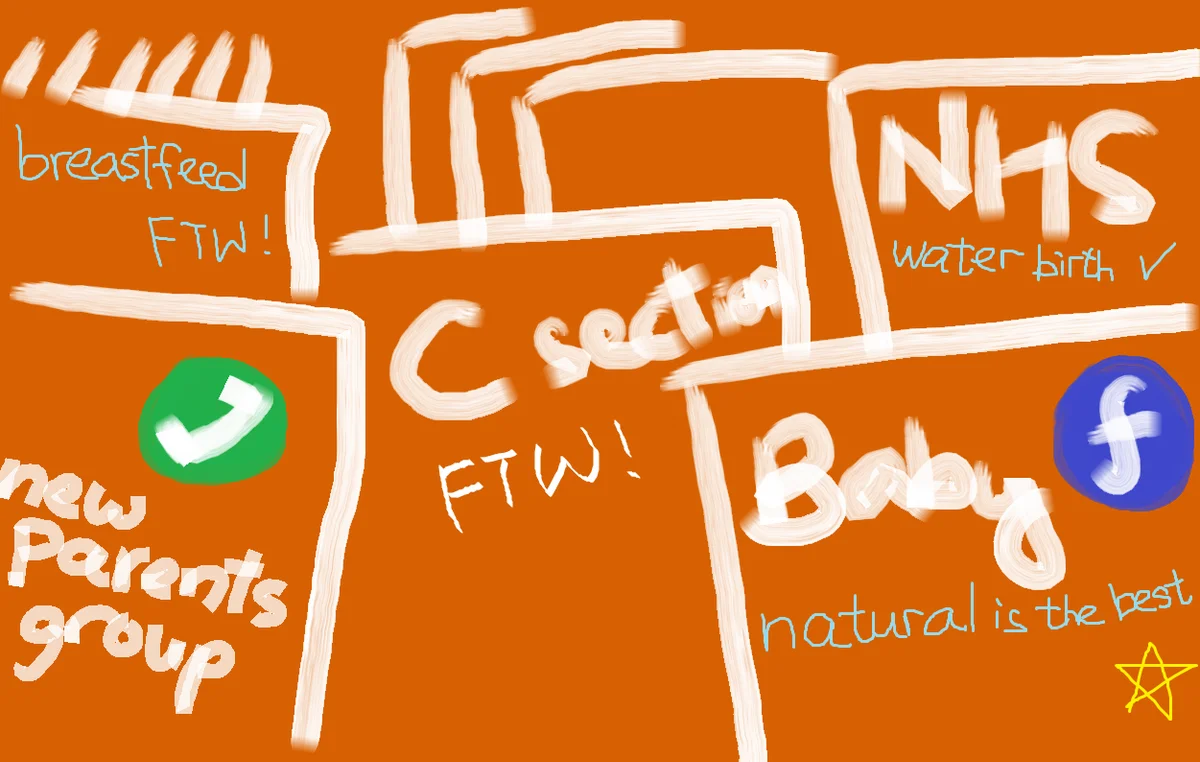
The sheer volume of opinions from books and blogs to well-meaning friends and medical professionals can lead to decision paralysis and intense self-doubt. You may worry that choosing one option makes you less of a mother, or that you are making a mistake that could harm you or your baby. This emotional burden is exhausting before labour even begins.
If you would like to have a calming and safe space to talk about it, we are here to support you.
"At Least the Baby is Healthy": Navigating Birth Trauma
When a birth becomes traumatic due to emergency interventions, lack of pain relief, or feeling unsafe, women are often silenced by well-meaning friends and family who say, "At least the baby is healthy."
While the baby's health is paramount, your experience matters too.
Birth trauma is real. It is the shattering of safety. You may find yourself suffering from flashbacks, avoiding the hospital where you gave birth, or feeling disconnected from your baby because the arrival was so distressing. The hormonal imbalance may cause waves of distress and you may feel you have lost your sense of self.
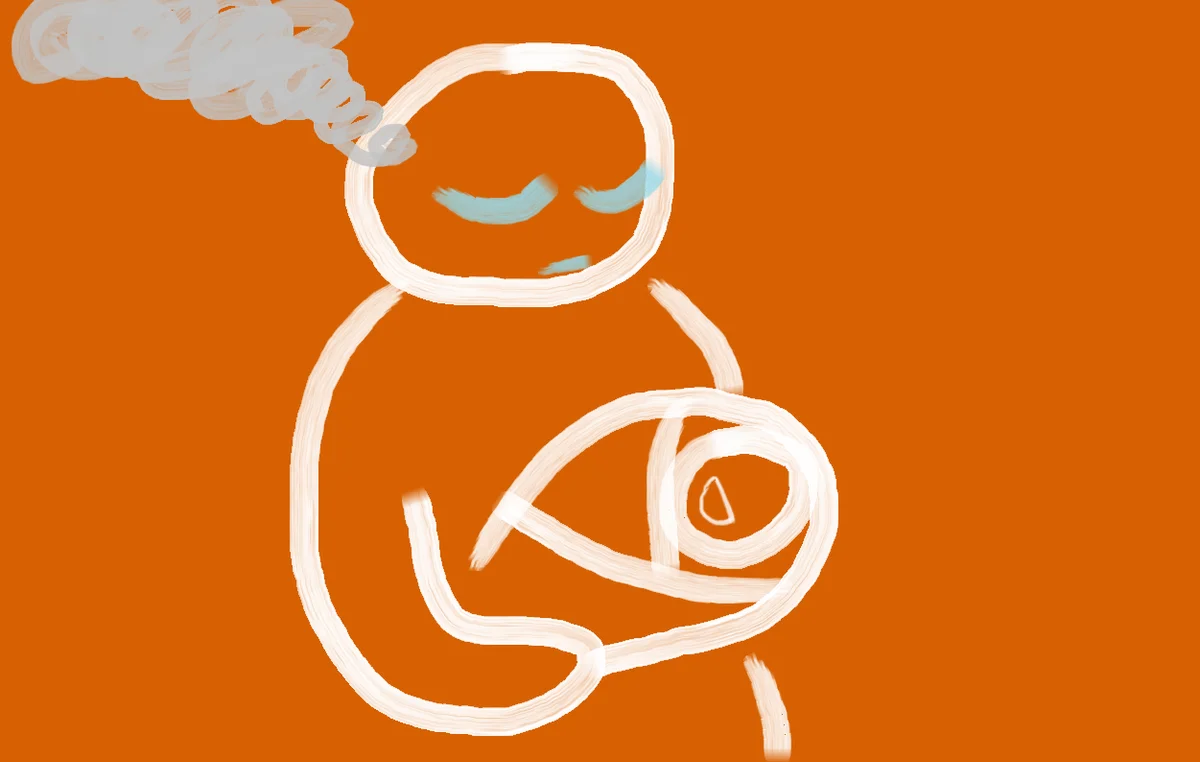
How to manage the aftermath: Healing from any sort of birth requires validation. You are allowed to grieve the birth you didn't get and love the baby you have at the same time. Suppressing these feelings can lead to Post-Traumatic Stress Disorder (PTSD) or Postnatal Depression. It is vital to acknowledge that your emotional scars are as valid as your physical ones.
Processing Your Birth Story Can Heal You
Research consistently shows that how a woman perceives her care during labour, whether she feels heard and supported, has a bigger impact on her mental health than the medical details of the birth itself.
A Mayo Clinic analysis highlights that untreated birth trauma can increase the risk of postpartum depression. However, with therapeutic intervention, women can:
- Reframe the narrative of their birth
- Regain their agency
- Reduce low mood, anxiety and hypervigilance
- Bond more deeply with their infant
This demonstrates how crucial psychological support is after labour.
What We Do in the Counselling Sessions
If you are struggling with the memories of your labour, the fear of birth itself, or the lingering sadness regarding your experience, support is available. I offer evidence-based counselling to help you:
- Process birth trauma in a safe and non-judgmental space
- Grieve the loss of the birth experience you hoped for
- Reconnect with your body, your baby and your partner
- Reduce anxiety
To begin your healing journey and receive tailored support, speak with us today.